
Case Study
Replacing OGI Inspections with Aerial Methane Monitoring

.png)
About the Case Study
How a third-party assessment projected that replacing routine OGI inspections with aerial monitoring could reduce one upstream operator's recurring OGI inspection and repair costs, with an estimated ROI up to 257% on new program spend.
Metrics That Matter
72%
reduction in compliance program cost
4mo.
payback period on investments
257%
ROI on new program spend
*Based on projections*
Challenge:
An upstream oil and gas operator operated a large footprint with a subset of interspersed U.S. EPA OOOO-regulated sites. To manage compliance operations for these sites, the operator relied on third-party optical gas imaging (OGI) inspections along with third-party repair crews to satisfy methane monitoring and regulatory compliance requirements.
Seeking a more streamlined approach, the company evaluated new technologies that could replace outdated workflows that satisfied U.S. EPA compliance requirements and reduced the cost and tracking burden of recurring OGI inspections.
Approach:
A third party was utilized to evaluate an aerial methane monitoring program using Bridger as a replacement for routine ground-based OGI inspection activities.
The replacement program was designed to provide recurring aerial surveys across less than 100 production sites spread across a larger asset base and optimize follow-up inspection costs.
Why Aerial
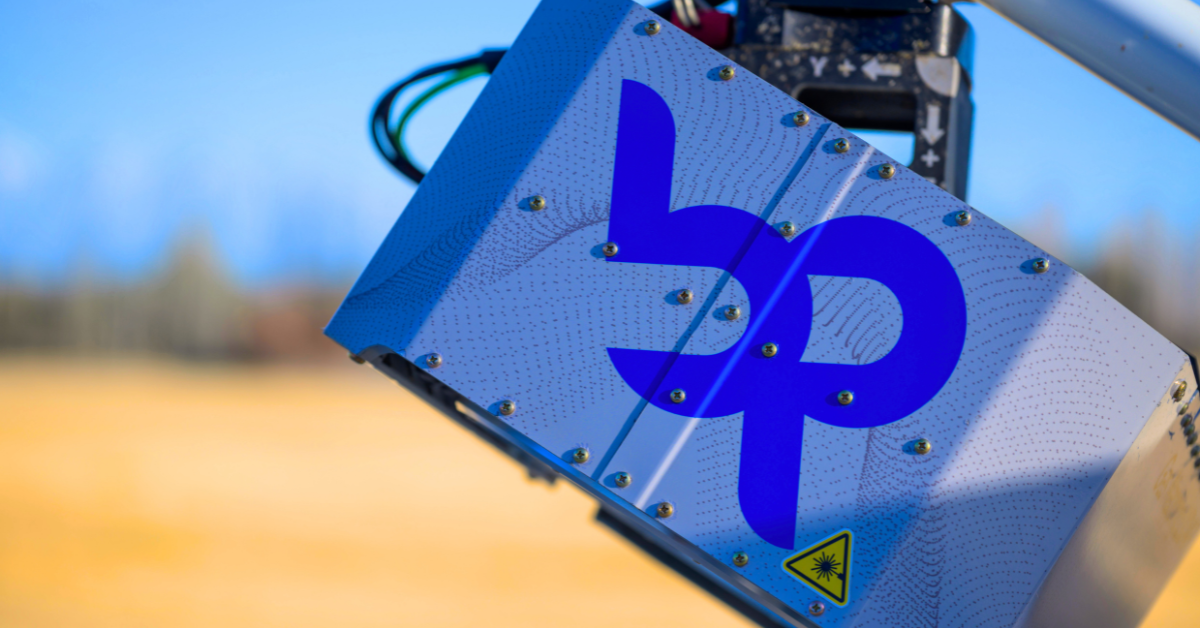
Replacing ground-based OGI inspection programs with aerial methane measurements can allow the operator to shift from labor-intensive screening activities toward a more scalable and cost-effective monitoring strategy.
Rather than requiring personnel to physically inspect every site, aerial surveys provide portfolio-wide visibility from a single measurement campaign. Quantified emissions data and highly accurate source attribution enable field teams to focus repair efforts only where emissions are detected, reducing unnecessary site visits and improving maintenance efficiency.
Key Takeaway
By replacing recurring third-party OGI inspections with a scalable aerial methane monitoring program, the operator can reduce the costs and operational burden associated with compliance-driven emissions monitoring across its upstream assets.
This case illustrates how aerial methane measurement can streamline compliance programs and shift field resources away from detection and toward the repairs that actually reduce emissions.
These figures reflect one operator's specific data, assumptions, and site conditions as evaluated by an independent third party; they are not averages, typical results, or a representation of outcomes any other operator should expect.
Business Impact
257% ROI
on new program spend accounting for both monitoring and ground repairs/follow-up
4 Month Payback
payback period on investment
Reduced Compliance Program Costs
Reduction in recurring OGI inspection and repair crew expenditures through introduction of an aerial monitoring program, resulting in a 72% reduction in compliance program cost
Improved Scalability for Future Monitoring
Improved scalability for future monitoring and efficiently complying with EPA requirements
Reduced Field Time and Safety Exposure
Reduced third-party travel requirements, field time, and associated safety exposure
Faster Emissions Source Identification
Faster identification and localization of emissions sources
Auditable Data for Better Decisions
Auditable, consolidated emission data sets to support decision-making and field optimization