
Case Study
Reducing Cost and Lowering Risk for Utility Leak Surveys with Aerial LiDAR Emissions Detection


.png)
About the case
How one large U.S. utility used aerial LiDAR emissions detection to transform its transmission leak survey program, reducing costs by approximately 85% and accelerating completion. The program also doubled the emissions detected, while reducing ground survey requirements and operational risk.
Metrics That Matter
~85%
reduction in cost per mile
70-80%
faster survey completion
~2x
increase in emissions detected
~60%
reduction in ground survey scope
Challenge:
One large utility on the West Coast of the U.S. with regulatory obligations and safety exposure across tens of thousands of miles of service territory relied primarily on traditional ground-based surveys to monitor natural gas leaks.
The approach required extensive field labor, long survey cycles, high costs, and safety risks from extensive field work. The system had to be physically inspected regardless of whether emissions were present, creating unnecessary labor, travel, and safety exposure while limiting the organization's ability to scale inspections or respond quickly to changing operational priorities.
The utility sought a more efficient, measurement-based approach that could reduce survey costs, improve operational flexibility, and provide more actionable leak data to support maintenance planning.
Approach:
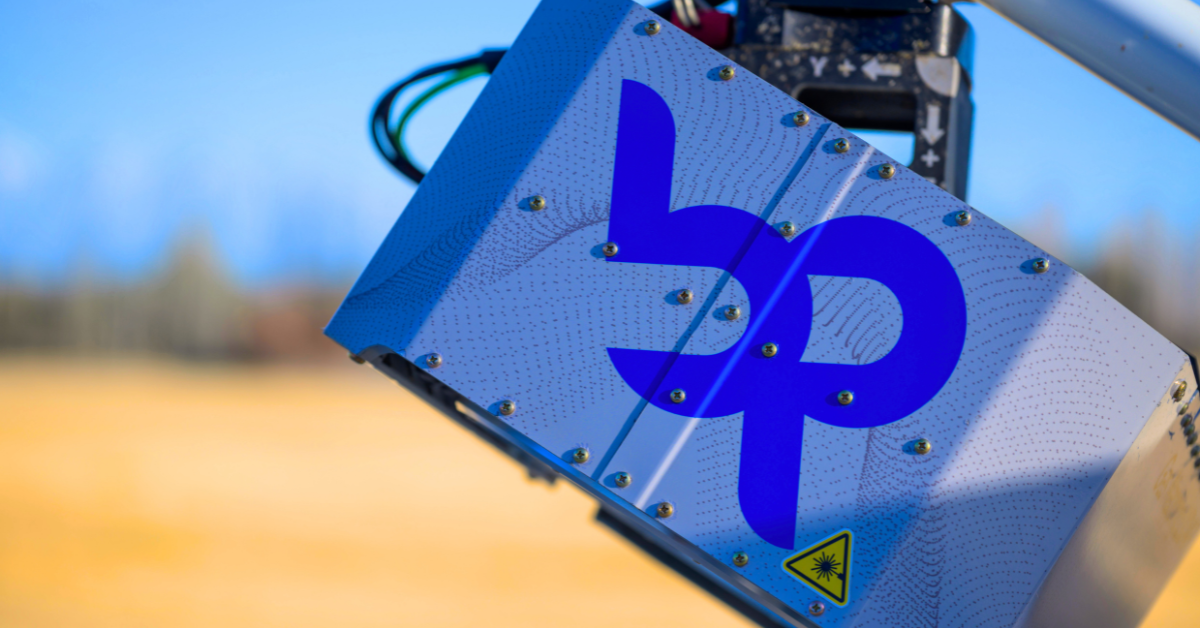
The utility implemented an aerial methane detection program using Bridger’s GML technology to replace a substantial portion of ground-based gas transmission leak surveys.
Rapid aerial scans provided highly accurate methane leak measurements and source-level attribution across large portions of the transmission system.
Why Aerial
Measurement-based methane monitoring transforms leak survey programs from labor-intensive inspection activities into data-driven optimized workflows.
Rather than requiring crews to physically inspect every segment of the system, aerial methane detection provides rapid portfolio-wide visibility while precisely identifying and localizing emission sources. Maintenance teams can focus inspections and repairs only where emissions are present, reducing unnecessary fieldwork, accelerating response times, and improving overall program efficiency.
Key Takeaway
Aerial methane detection enables operators to move from labor-intensive inspection programs to efficient, measurement-driven workflows that reduce costs, improve safety, and accelerate emissions mitigation.
Results reflect one customer's specific program and aren't a performance guarantee for other engagements. Individual results may vary based on system configuration, terrain, and operating conditions, and past performance does not guarantee future results.
Business Impact
~85%
reduction in survey cost per mile
70–80%
faster completion of transmission leak surveys
~2x
increase in emissions detected compared to previous survey method
~ 60%
reduction in required ground survey scope
Safety Improvements
Substantial improvements in worker safety through reduced field exposure and travel