
.svg)
Building Credible Methane Programs Across the Globe
Methane management programs look very different depending on where operators are working. From dense infrastructure in Southeast Asia to offshore assets and remote operations in Africa, regional realities shape how detection, measurement, and response programs are designed and deployed.
Dave Turner, Asia Pacific Region Director at Bridger Photonics, has spent much of his career working across these environments. With experience in field operations, operational leadership, and international business development, Dave brings a practical perspective to methane measurement programs. In this conversation, he shares how operators are navigating emerging methane expectations, what challenges teams face after detection, and why credible measurement is becoming increasingly important for global gas markets.
Q: You’ve worked across Southeast Asia, the Middle East, Africa, and offshore environments throughout your career. How does operating in those regions shape your perspective on methane management programs?
Turner: My experience across these regions has shown that delivering services, including methane emissions measurement and data, has to be shaped by operational realities on the ground. In Southeast Asia, you often see dense infrastructure, aging assets, challenging tropical weather and complex logistics, which demand practical, flexible, and scalable detection programs. In the Middle East, operators tend to have stronger centralised operational models and very extensive asset bases that need efficient measurement approaches. In Africa and offshore environments, resource constraints and accessibility challenges mean that solutions must be robust, low‑touch, and highly reliable.
Across all these areas the common thread is that operators need technologies that work in variable climates, integrate with existing workflows, and provide data that’s both actionable and trustworthy. My international experiences help me focus not just on the detection technology itself, but on designing programs that operators can actually sustain and scale for improved efficiency and protecting revenue long-term.
Q: What does your day-to-day role as the Asia Pacific Region Director involve?
Turner: My role focuses on helping operators build and execute credible methane emissions detection, measurement, and analytics programs across the region. That ranges from working directly with customers to design measurement strategies aligned with their objectives, to working with our aviation partners supporting deployment planning, training, and execution—and anything else that comes up in between!
I’ve had to learn to navigate the emerging policy and regulatory landscape in Asia Pacific, supporting our customers in understanding developments like OGMP 2.0, MiQ, and market-driven requirements tied to LNG exports. Methane emissions measurements are quite new to many so there is a significant element of industry education needed; this can be one of the most satisfying parts of the job. My goal is to connect Bridger’s experience and technical capability to the unique needs of our customers here, making sure they get efficient solutions that meet their methane reduction and business objectives.
Q: You’ve seen methane programs from multiple technology approaches. From your perspective, what do operators actually struggle with most: detection itself, or what comes after detection?
Turner: Just detecting methane is pretty straightforward and many sensor options exist, however quantifying the emission rate and localising the source is much more difficult, and this significantly narrows the choice of technologies. The first challenge operators face is sifting through the options on the market to decide which will work for them with their specific environment and objectives; lack of standardisation can make it difficult to assess performance on a level playing field.
After measurement many teams still struggle with prioritising repairs, verifying mitigation, and managing and reconciling emissions data from multiple sources with different temporal and spatial scales. The key things for me here are clarity on which emissions matter most to support action, and clear results that can be easily used in reporting and reconciliation processes to understand the big picture of an enterprise-wide emissions profile.
Being able to provide consistent measurement data across all asset types and environments in an operator’s portfolio makes this much easier—at Bridger, we can do this with the addition of drone-conveyed sensors alongside the manned aircraft measurements.
Q: You spent more than 15 years in field operations and operational leadership roles. How does that experience shape the way you engage with operators about methane programs today?
Turner: My background in field operations helps me approach methane management from a service company’s mindset. I understand the realities of resource constraints, the pace of operations, and operator expectations of quality and delivery. I believe that emissions measurements need to be like any other oilfield service and called when needed rather than the special project treatment they often receive. This can significantly increase efficiency and reduce cost. For example, as drones become ever more capable for inspection and survey work at oilfield facilities it becomes very cost effective to combine several programs including emissions in one mobilization.
Because of this experience, I pay close attention to planning and execution when working with clients. My previous roles taught me the importance of operational buy‑in and simplicity, and those lessons influence how we design methane programs that work in the field with real-world variables.
Q: We’re seeing growing expectations around OGMP 2.0, MiQ, and new regulations like the EUMR that are top of mind for operators. How are you seeing operators in Asia Pacific and other export-driven regions responding to these shifts?
Turner: Regional operators are increasingly recognising that methane management is no longer optional, but is tied directly to market access, reputation and commercial value. The motivations for emissions management vary across the region in the face of quite different regulatory and operating environments.
Although regulations are less of a driver in many countries in the region, market forces are encouraging export‑driven operators, especially LNG producers, to align with frameworks like MiQ because buyers in Europe and East Asia are looking for cleaner gas. UNEP’s OGMP 2.0 reporting framework is gathering pace—large and influential national oil companies across Southeast Asia are committing to the program and driving improvements across the region.
While the pace varies across the region, it is clear that operators want to stay ahead of regulatory and commercial expectations rather than react to them.
Q: Building on the topic of export-driven production and the demand for cleaner gas, what role does credible measurement play when operators are selling LNG or gas into global markets?
Turner: Credible methane measurement has become a major commercial differentiator. Buyers are increasingly scrutinizing emissions intensity when making gas purchases, and regional initiatives like CLEAN are coordinating efforts between key buyers and producers to push for lower emissions.
For operators across the gas supply chain, having credible, measurement‑based data provides transparency and builds trust. It allows them to demonstrate compliance with emerging regulations and meet voluntary standards like MiQ or OGMP 2.0. More importantly, it gives them visibility and unprecedented insight into their own operations, enabling continuous improvement and improved efficiency.
Q: As Bridger expands internationally, what excites you most about building methane programs with operators across the Asia Pacific region over the next few years?
Turner: Asia Pacific is one of the most dynamic energy regions in the world, and operators here are rapidly embracing innovation. What excites me most is the opportunity to build programs that not only reduce emissions but also unlock operational efficiencies, cost savings, and stronger commercial positioning for our customers.
The region’s diversity means we must design solutions that are adaptable and scalable. I’m particularly excited about combining high‑quality emissions intelligence with digital workflows that simplify decision‑making for operators. As expectations for transparency rise globally, helping our customers lead the way in credible emissions reporting is an incredibly rewarding part of the work and feels like a genuine contribution to the vital efforts to reduce methane emissions.
Moving Forward with Credible Methane Programs
As methane expectations evolve across global energy markets, operators need programs that deliver more than detection alone. Credible measurement, operational clarity, and practical deployment models are becoming essential for organizations seeking to reduce emissions while improving efficiency, profits, and market competitiveness.
For Bridger, supporting operators across diverse environments means combining trusted methane measurement with programs designed for real-world operational conditions. As methane management continues to mature across Asia Pacific and beyond, building scalable programs will play a critical role in improving transparency, efficiency, and emissions performance across the industry.
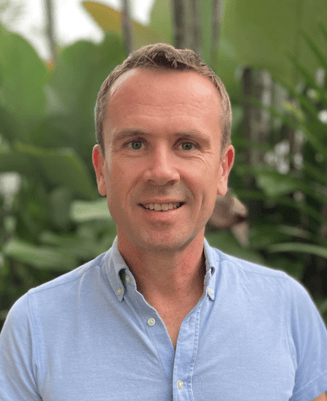 Dave Turner is Asia Pacific Region Director for Bridger Photonics, based in Kuala Lumpur, Malaysia. Dave started his oil and gas career as a wireline engineer after completing his mechanical engineering degree and worked in the field for five years in locations across the Middle East. He then held various operations, sales, and technical management positions in upstream service product lines in Vietnam, Malaysia, and Angola. Returning to Malaysia, Dave specialised in conveyance risk management before entering the methane emissions detection field. Dave is a UK Chartered Mechanical Engineer and holds an engineering degree from the University of Wales, Cardiff, and an MBA from Imperial College London.